
Wellness care means different things to different people. For one person, it may mean staying comfortable through a demanding work schedule. For another, it may mean remaining active with grandchildren, gardening, travel, or recreational sports. A useful plan starts with the activities that matter to you.
Wellness is more than the absence of pain
Consider sleep, energy, movement confidence, strength, balance, stress, and the ability to participate in daily life. No single treatment replaces regular movement, adequate recovery, nutritious food, and appropriate medical care.
Build the foundation with daily habits
- Change position throughout the day.
- Choose activity you can perform consistently.
- Progress exercise gradually.
- Prioritize sleep and recovery.
- Use supportive work and home setups.
- Address recurring symptoms before they significantly limit activity.
Where chiropractic care may fit
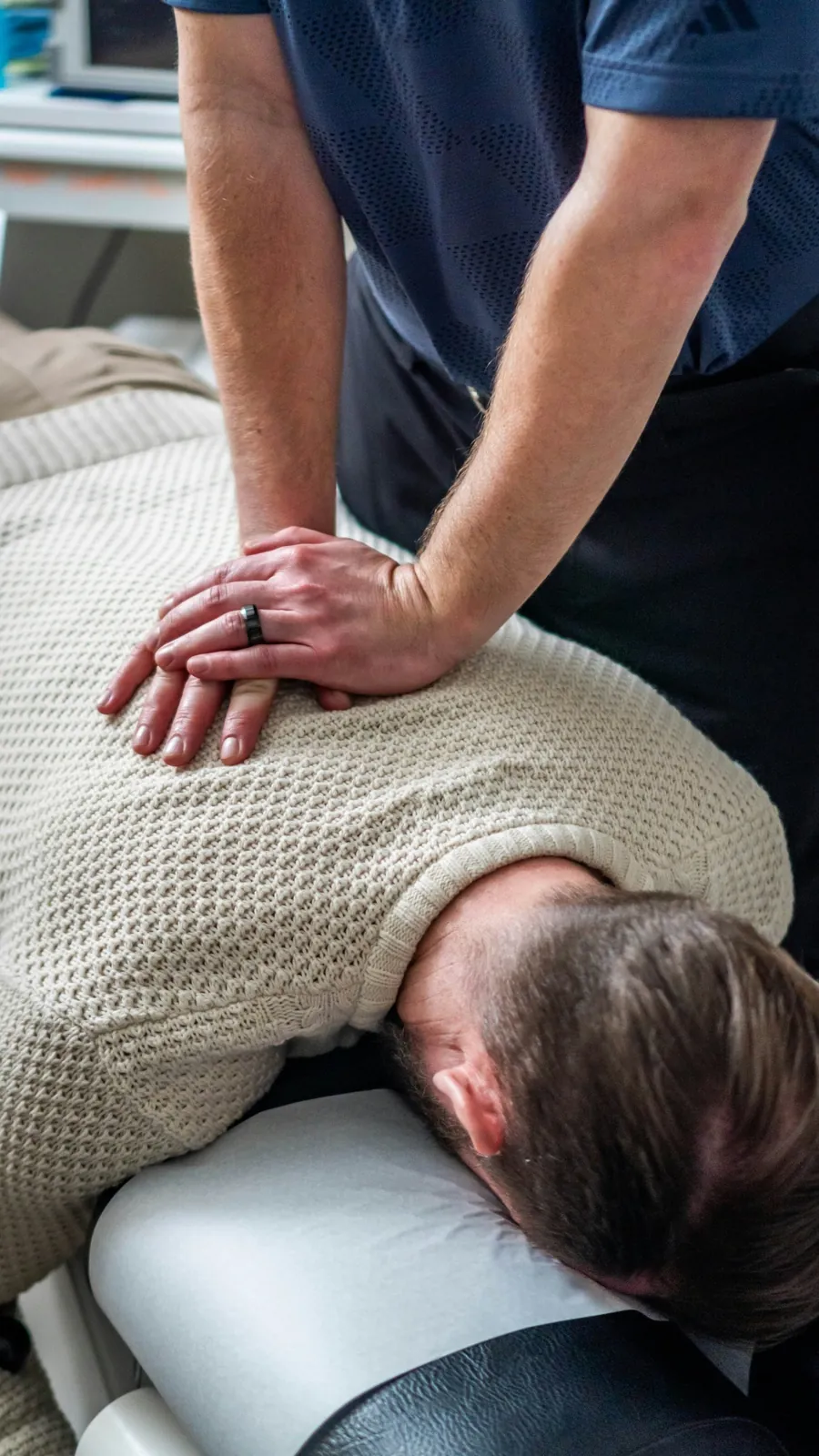
Some people choose periodic chiropractic visits to address recurring musculoskeletal discomfort, mobility limitations, or movement goals. Visit frequency should be individualized and periodically reassessed. More treatment is not automatically better.
Where acupuncture may fit
Acupuncture is commonly used for pain and may also be used as part of a broader wellness or stress-management routine. It should complement—not replace—necessary medical evaluation and treatment. Discuss health conditions and medications with the licensed acupuncturist.
Measure what matters
Useful goals might include sitting through a workday with fewer breaks, walking a certain distance, turning the head comfortably while driving, returning to a favorite exercise, or sleeping with fewer interruptions. Specific goals make it easier to evaluate whether the plan is helping.
Know when wellness care is not enough
New, severe, progressive, or unexplained symptoms require appropriate medical assessment. Seek prompt care for weakness, numbness, loss of coordination, bowel or bladder changes, fever, unexplained weight loss, chest pain, severe headache, or symptoms following significant trauma.
ACE’s approach
Dr. John J. Lee combines chiropractic and acupuncture experience with individualized recommendations. The clinic’s goal is to help patients move more comfortably and make informed choices—not to promise that routine care can prevent every injury or illness.
Medical disclaimer: Wellness information is educational and does not replace medical advice, screening, diagnosis, or emergency care. Treatment frequency and suitability vary by person.
References & further reading
- Exercise for the Prevention of Low Back Pain: Systematic Review and Meta-analysis of Controlled Trials — PubMed
- Noninvasive Treatments for Acute, Subacute, and Chronic Low Back Pain: American College of Physicians Clinical Practice Guideline — PubMed
- Effect of Different Types of Physical Activity on Activities of Daily Living in Older Adults: Systematic Review and Meta-analysis — PubMed