Serving Santa Clara since 2000 • Mon–Thu 9AM–7PM
Services

Chiropractic, Acupuncture & Rehabilitation Services

Integrated, individualized care for auto injuries, office-related pain, sports injuries, neck and back pain, mobility goals, and wellness.

Choose the right starting point

Services designed around the patient.

Not every service is appropriate for every condition. Recommendations are based on your history, examination, comfort level, and personal goals.

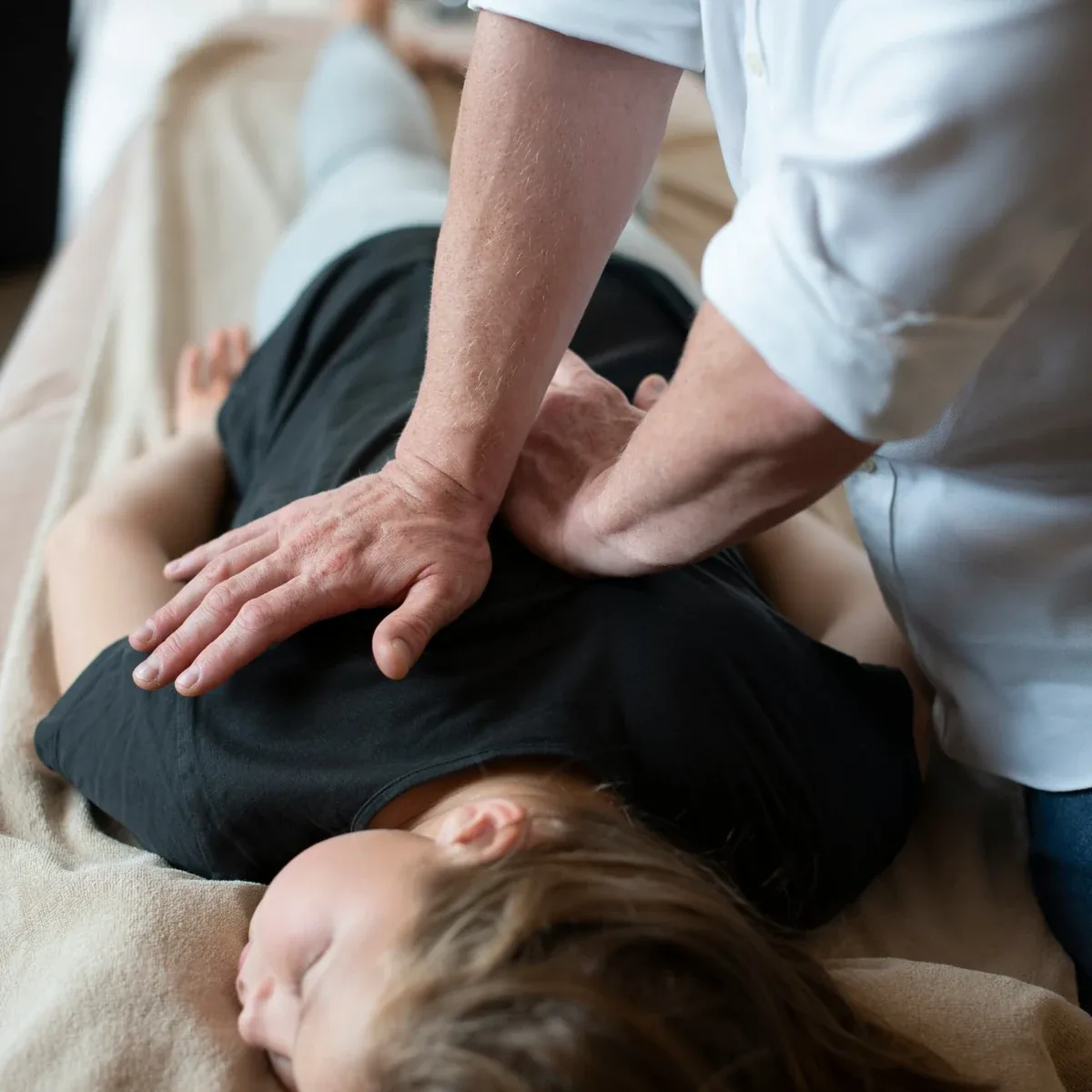
Chiropractic adjustment being performed on a patient’s upper back

Chiropractic Adjustments

Chiropractic adjustments use gentle, hands-on techniques to help improve the way your joints and spine move. They may help ease neck or back discomfort, reduce stiffness, relax tight muscles, and make everyday movement feel more comfortable. Each treatment can be adjusted to your comfort level and specific needs. The goal is to help you move with greater ease and feel more confident in your daily activities.

Explore chiropractic care
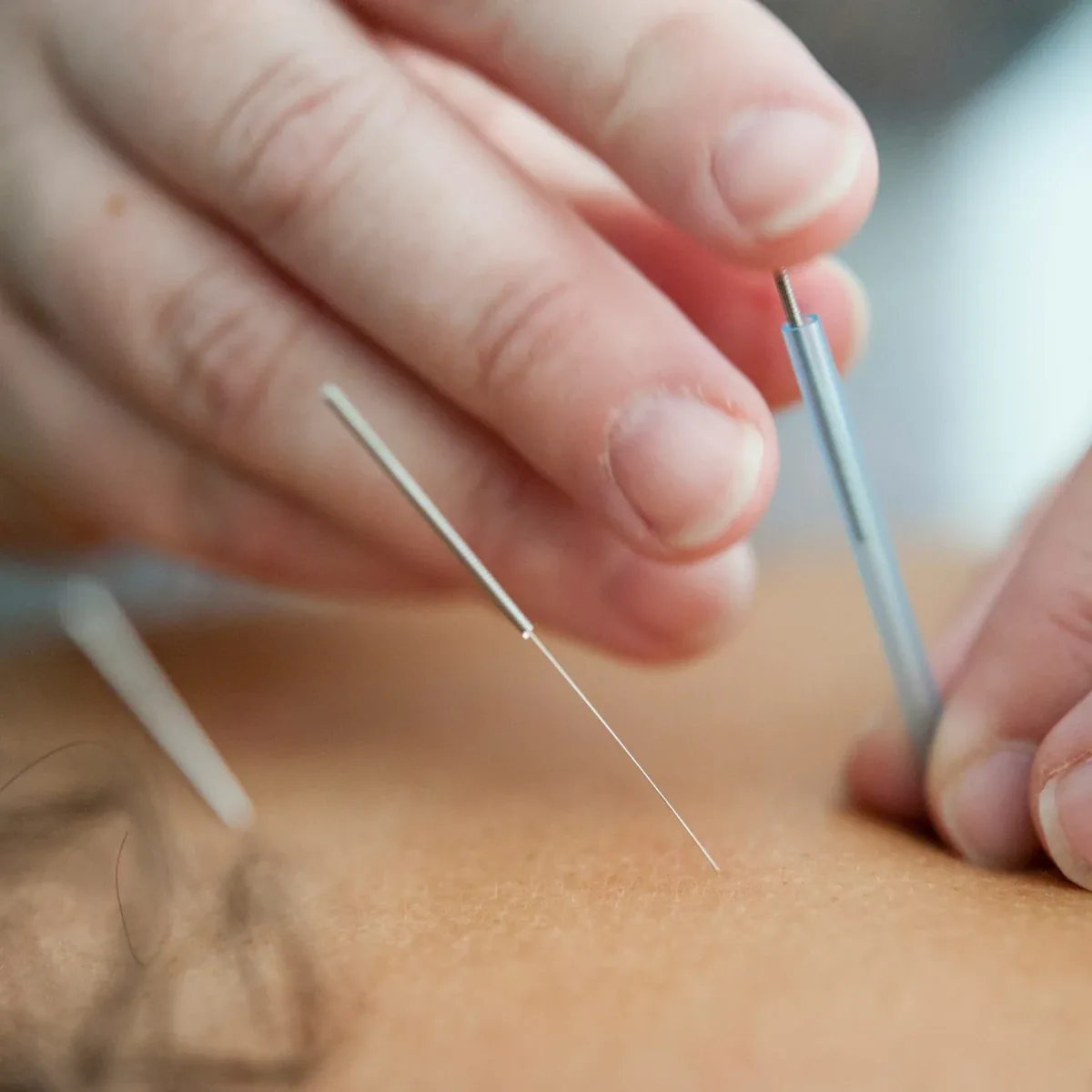
Close-up of acupuncture needles being placed during treatment

Acupuncture & Electro-Acupuncture

Acupuncture uses very thin, sterile, single-use needles placed at carefully selected points on the body. When appropriate, mild electrical stimulation may be applied between selected needles as part of electro-acupuncture. Patients often choose these therapies to help calm muscle tension, support relaxation, and manage discomfort in the neck, back, shoulders, and other areas. Treatment is tailored to your comfort and may be combined with other therapies as part of a personalized care plan.

Explore acupuncture care
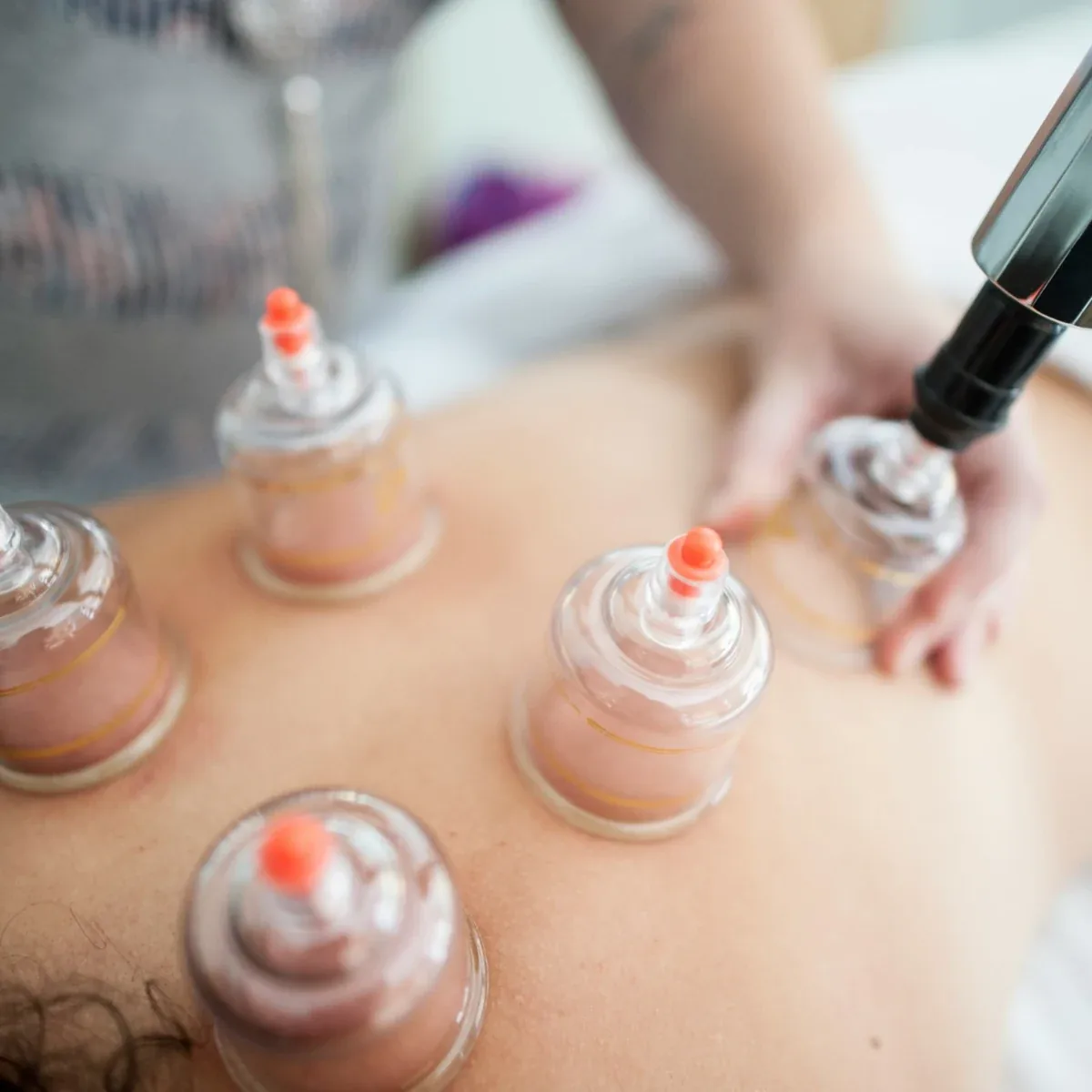
Cupping therapy being applied to the back

Cupping Therapy

Cupping therapy uses gentle suction to help loosen tight muscles and encourage relaxation. It can be a soothing option for patients experiencing muscle soreness, stiffness, or tension after work, exercise, stress, or injury. The amount of suction can be adjusted based on your comfort and sensitivity. Temporary circular marks may appear after treatment and usually fade naturally over time.

Learn about complementary care
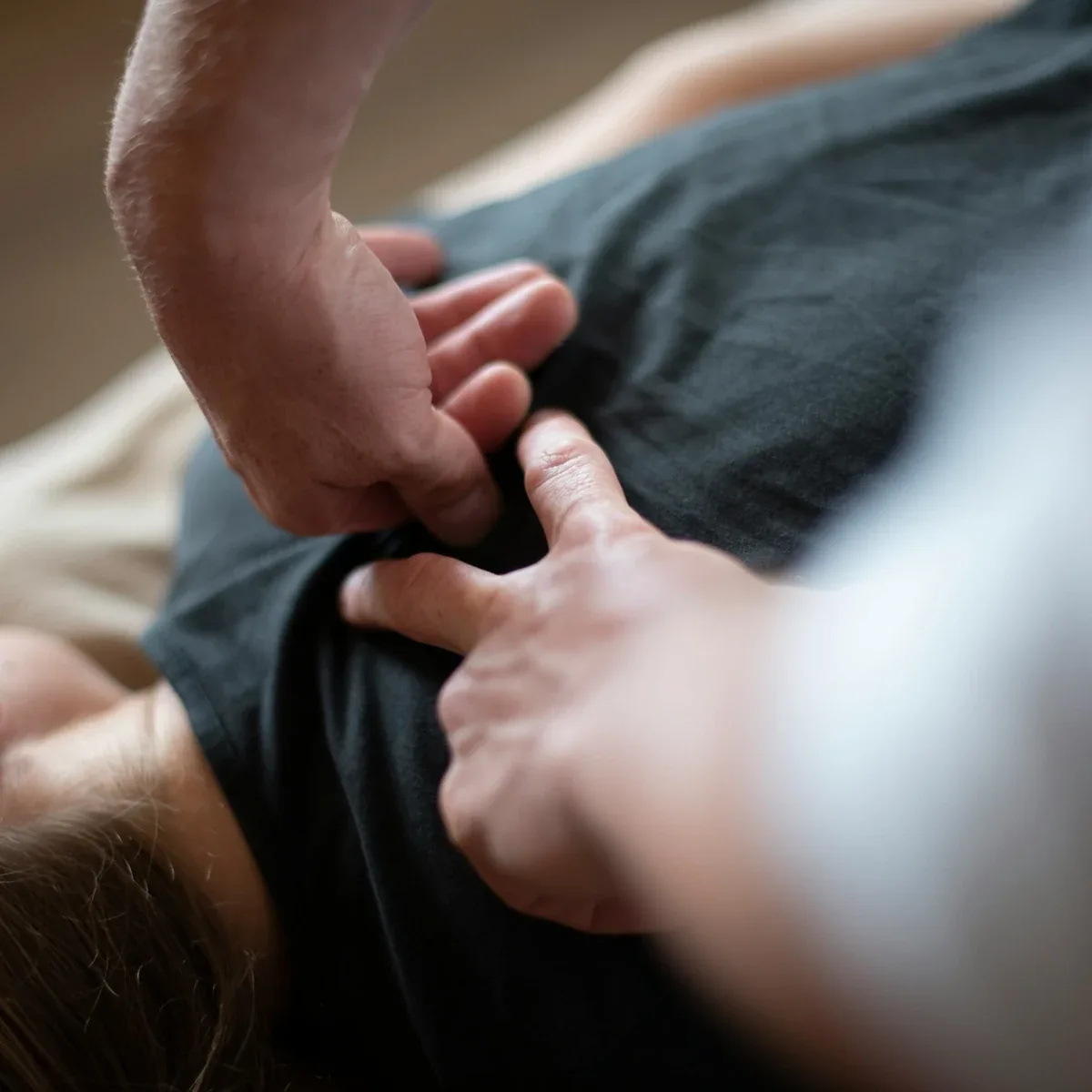
Hands applying focused soft-tissue therapy to the upper back

Soft-Tissue Therapy

Soft-tissue therapy focuses on tight, sore, or sensitive muscles and connective tissues. Gentle pressure, massage, and stretching techniques may help reduce tension, improve flexibility, and make movement feel easier. Treatment can be focused on areas that feel overworked, restricted, or uncomfortable. It is often used alongside chiropractic care, physiotherapy, or rehabilitation to support overall recovery.

Explore supportive therapies
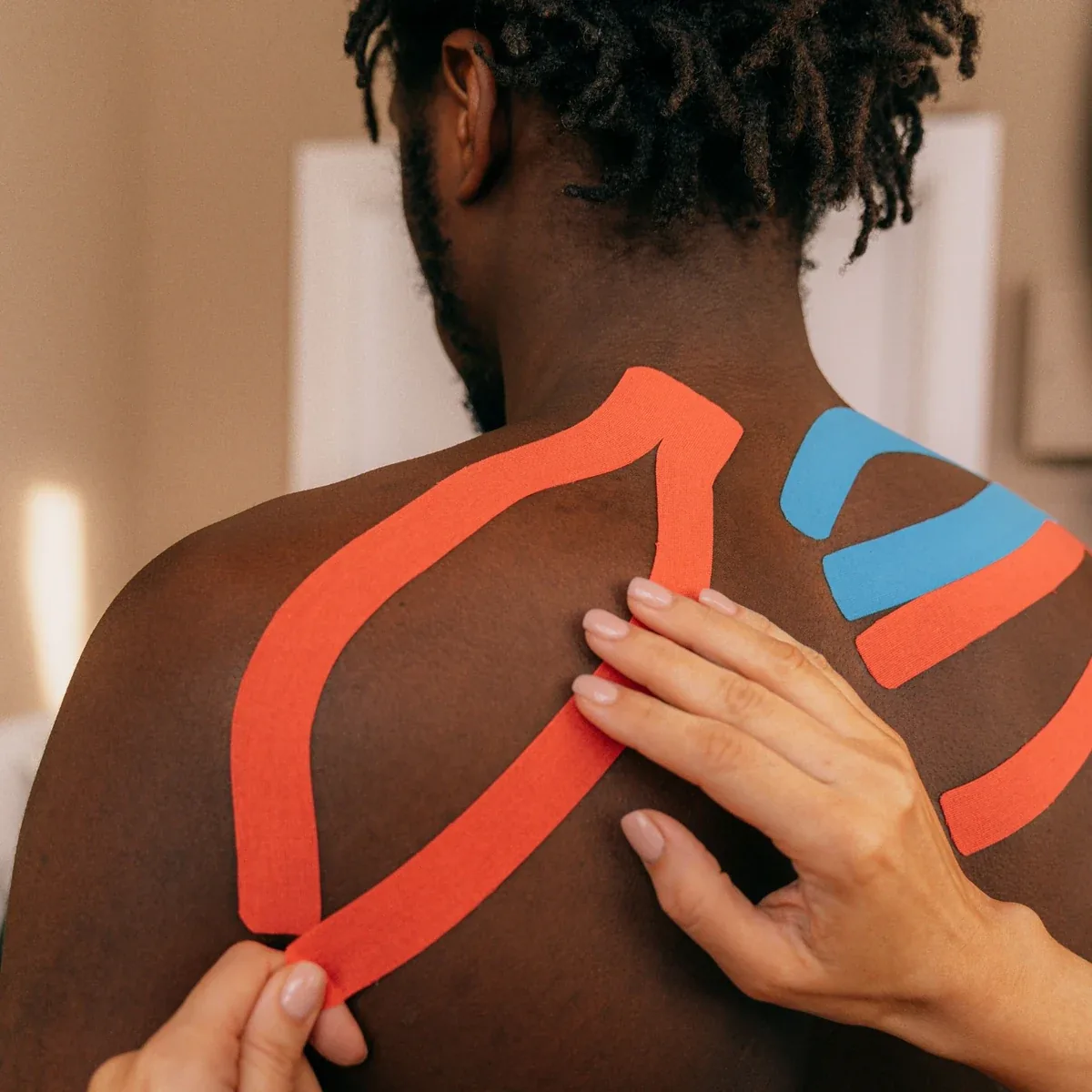
Kinesiology tape being applied to support the shoulder during physiotherapy

Physiotherapy

Physiotherapy uses guided movement, stretching, strengthening, mobility work, and supportive treatment methods to help your body move more comfortably. Care may begin gently and progress as your strength, flexibility, and activity tolerance improve. The plan is adjusted to your condition, comfort level, and recovery goals. Simple home-care guidance may also be provided to support continued progress between visits.

Explore physiotherapy
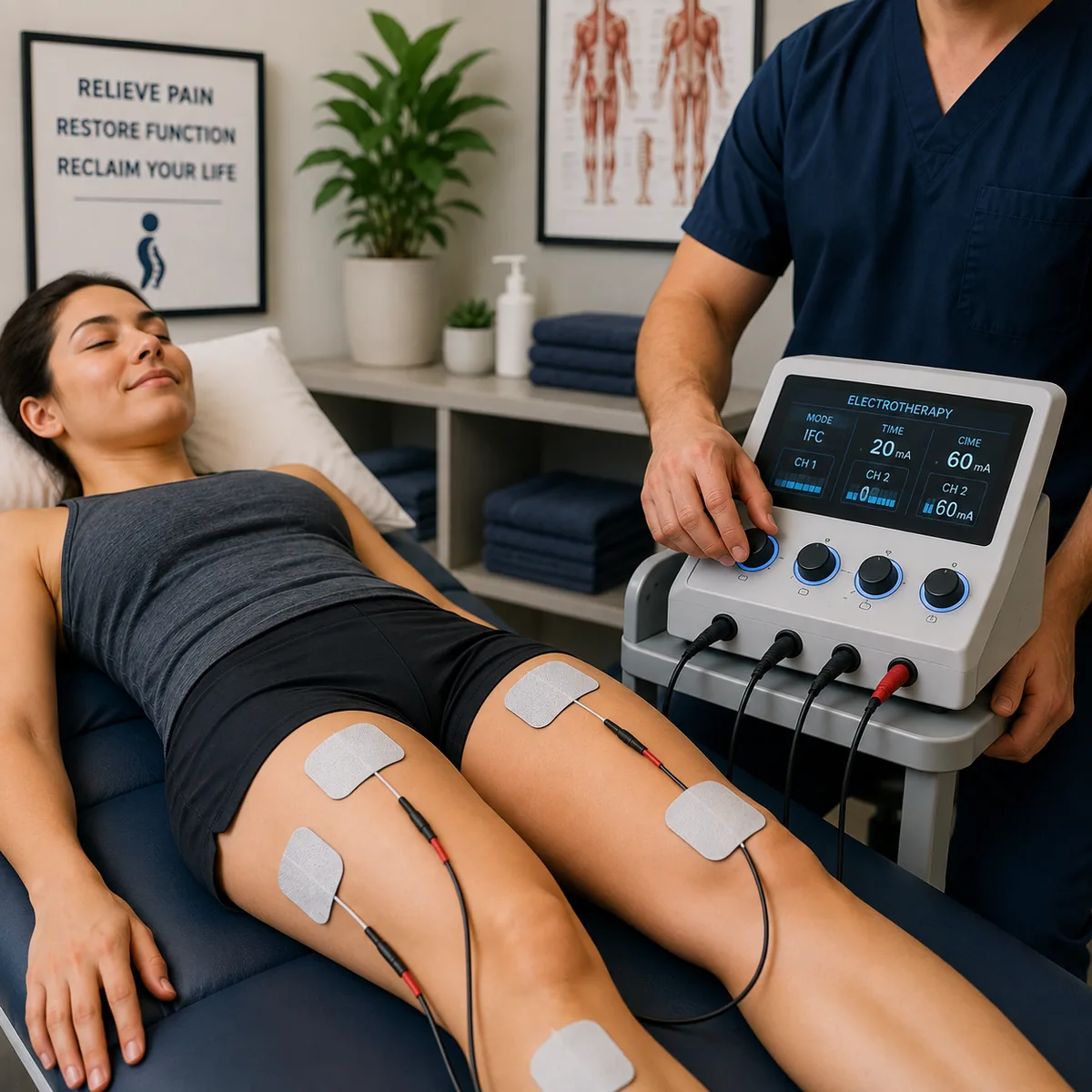
Patient receiving electrical stimulation therapy with electrode pads

Electrical Stimulation

Electrical stimulation uses gentle, controlled electrical impulses delivered through pads placed on the skin. When appropriate, it may help relax tight muscles, ease discomfort, support circulation, and make movement or therapeutic exercise feel more comfortable. The intensity is adjusted gradually to your comfort level. This modality is used only when it is suitable for your condition and health history.

Learn about rehabilitation modalities
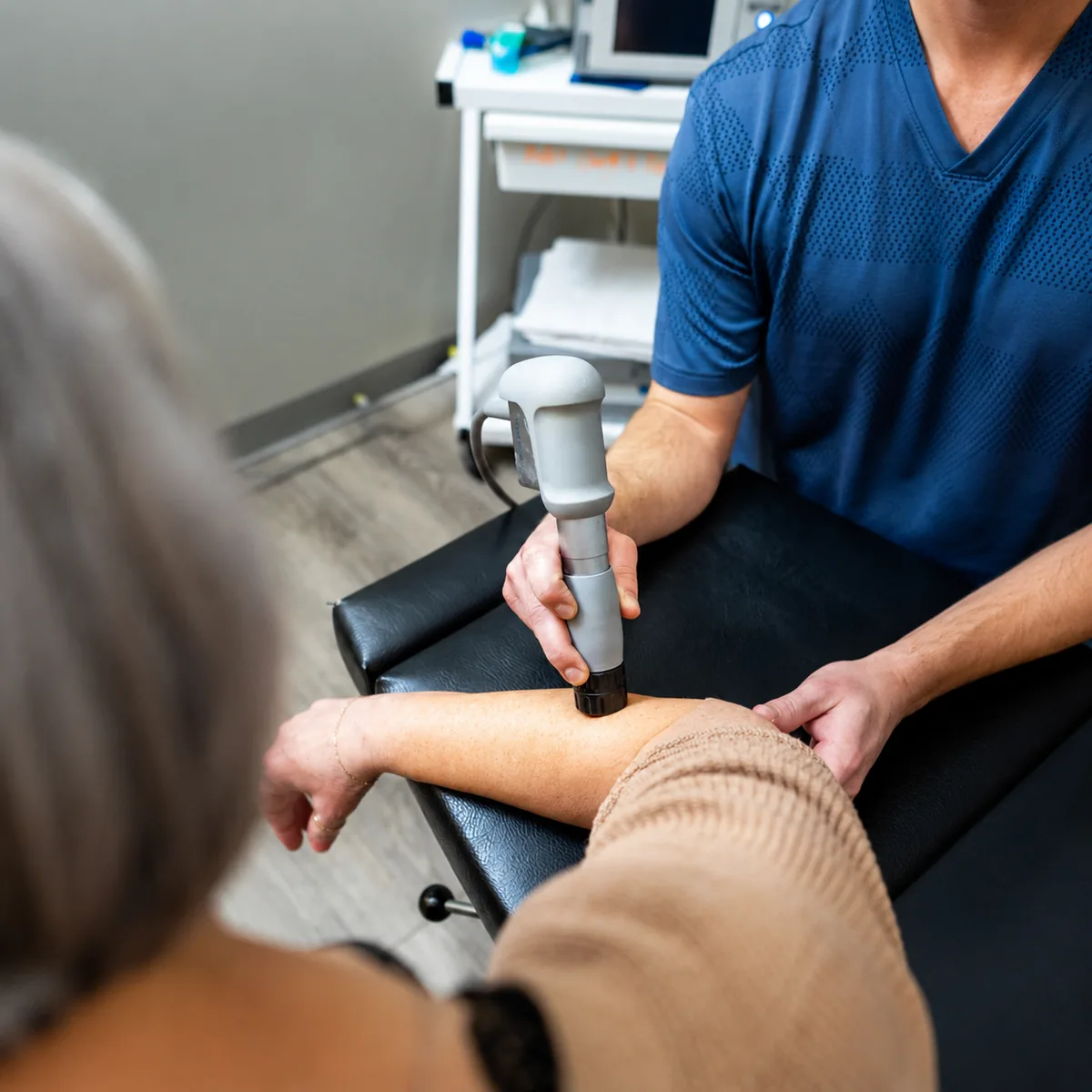
Therapeutic ultrasound applicator being used on a patient’s arm

Therapeutic Ultrasound

Therapeutic ultrasound uses sound waves delivered through a handheld applicator and a small amount of gel. It may help warm selected tissues, ease stiffness, support circulation, and prepare an area for gentle movement or soft-tissue care. Most patients feel little or no discomfort during treatment. It is included only when appropriate for the area being treated and your individual care plan.

Learn about therapeutic ultrasound
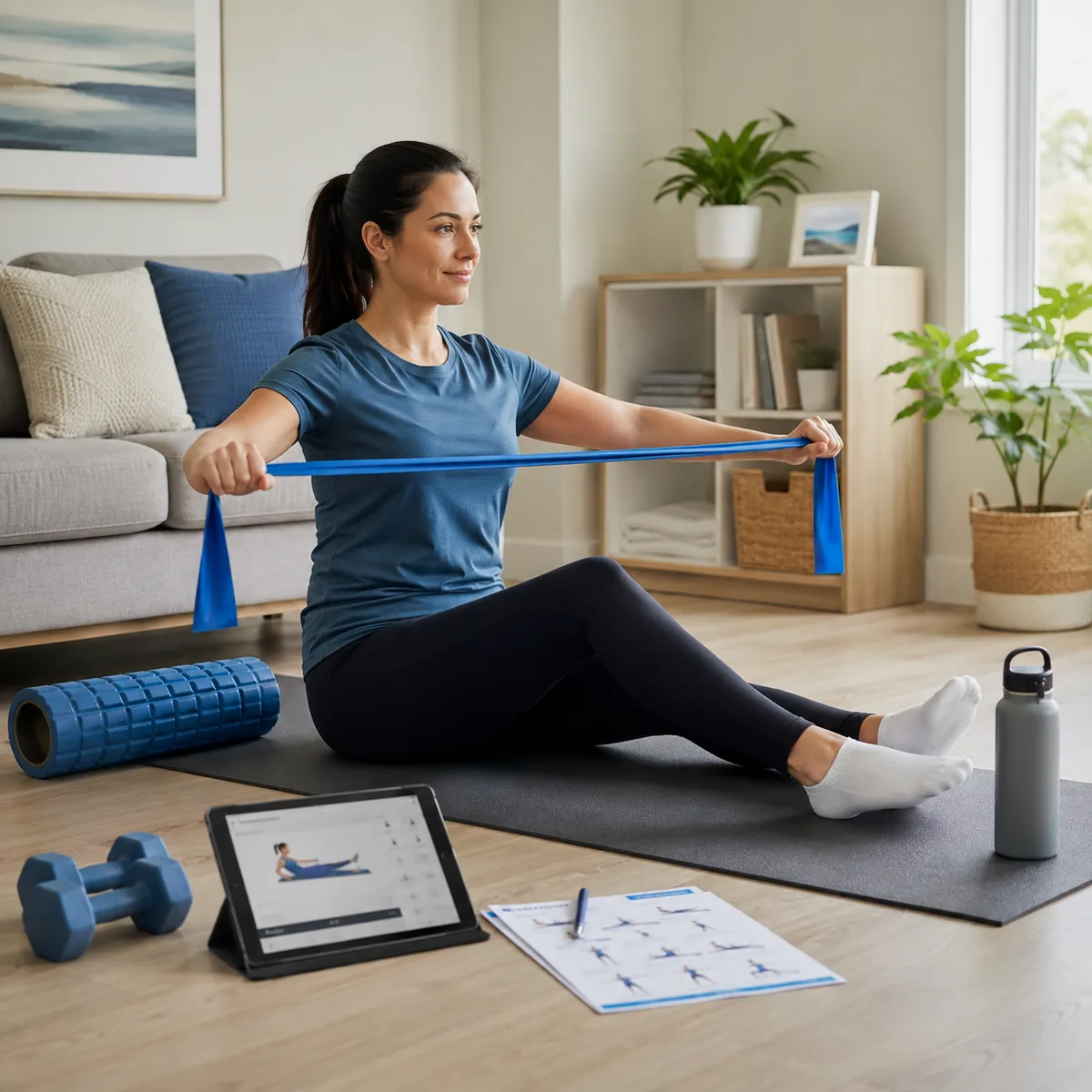
Patient performing a resistance-band exercise at home

Corrective Exercise & Rehabilitation

Corrective exercise and rehabilitation are designed to help rebuild strength, balance, flexibility, and confidence after pain or injury. Each program can be tailored to your current abilities and progress gradually as your movement improves. Exercises may focus on posture, stability, coordination, and healthier movement patterns. The goal is to help you return to normal activities safely while reducing the chance of repeated strain.

Explore rehabilitation
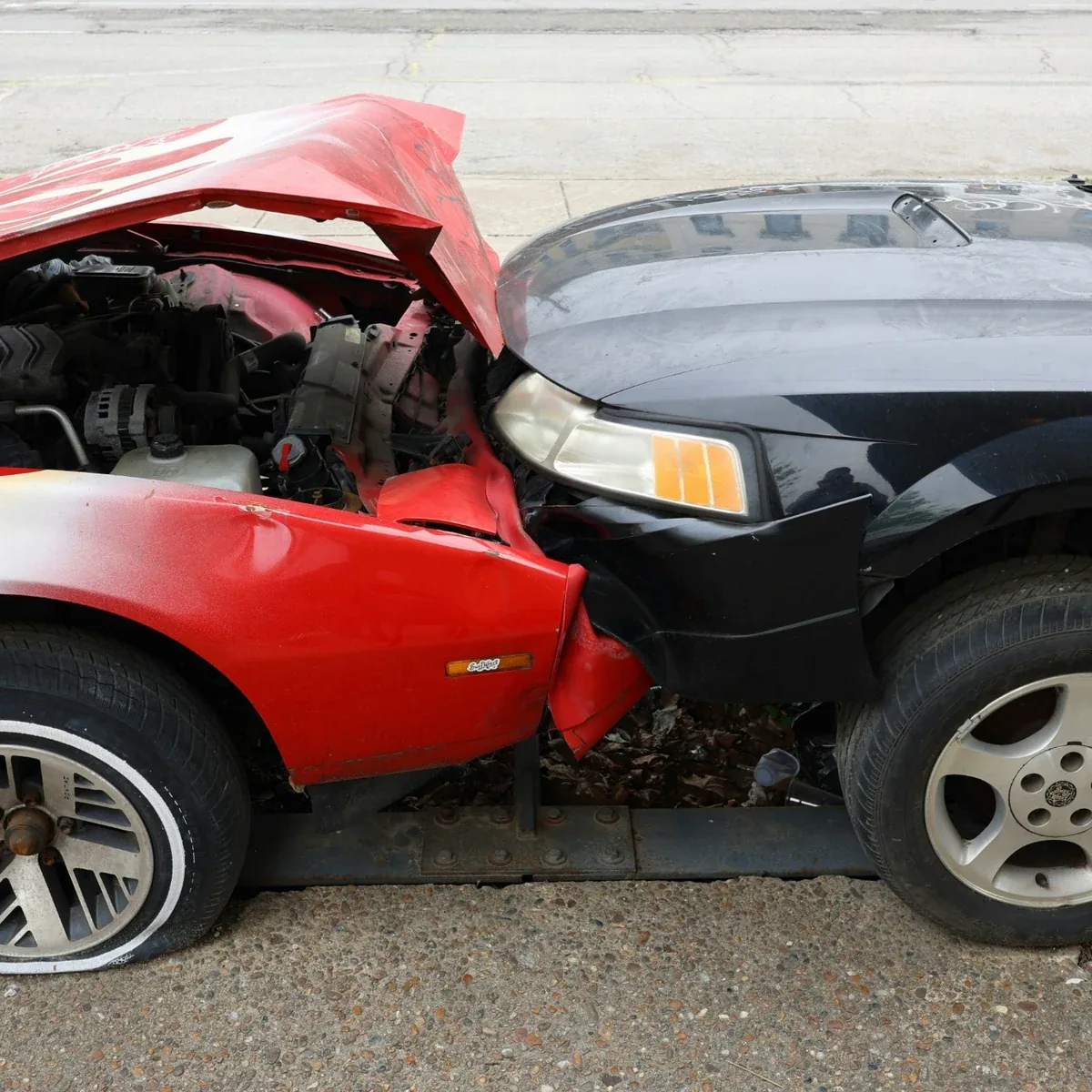
Two damaged vehicles after an auto accident

Auto-Accident Injury Care

After an auto accident, symptoms such as neck pain, back pain, headaches, stiffness, or soreness may appear right away or develop over time. A personalized care plan may include gentle manual treatment, acupuncture, physiotherapy, and rehabilitation to support a comfortable and steady recovery. Your symptoms and progress can be carefully evaluated throughout treatment so that care can be adjusted as needed. Clear documentation may also be maintained to record your condition, treatment, and recovery progress.

Explore auto-accident care
What a plan may include

Coordinated care, not a fixed package.

Understand the problem

History, movement assessment, examination findings, prior care, and functional goals.

Select appropriate options

Chiropractic, acupuncture, rehabilitation, home guidance, or referral when needed.

Measure progress

Reassess pain behavior, motion, sleep, work tolerance, and meaningful daily activity.

Start with a conversation

Ready to take the next step?

Choose an available appointment time online or call the clinic to speak with us.

Call Now Book