
Auto-accident recovery is rarely one-size-fits-all. One patient may mainly have neck stiffness, while another has low-back pain, shoulder tension, headaches, or difficulty tolerating a full workday. A useful care plan begins with an examination and changes as the patient’s needs change.
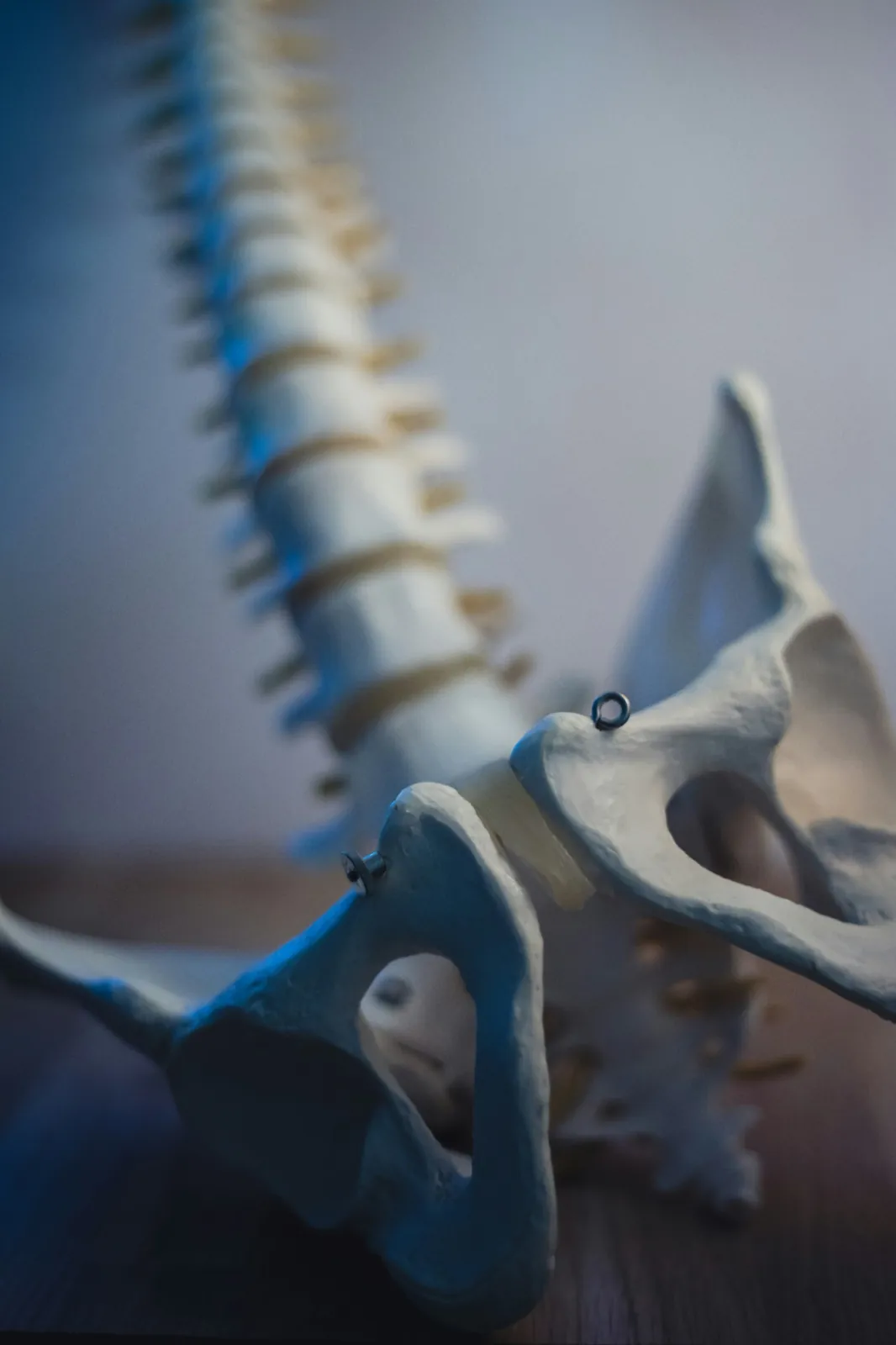
First, rule out urgent problems
Chiropractic and acupuncture offices are not emergency departments. Anyone with serious warning signs should seek emergency care. After fractures, significant head injury, internal injury, or other urgent conditions have been addressed, conservative musculoskeletal care may be considered when appropriate.
The role of chiropractic care
Chiropractic care focuses on the musculoskeletal system and movement. Depending on the findings, care may include gentle joint mobilization or manipulation, soft-tissue methods, posture and movement guidance, and therapeutic exercises. The technique and intensity should be selected for the patient rather than applied as a routine package.
The role of acupuncture
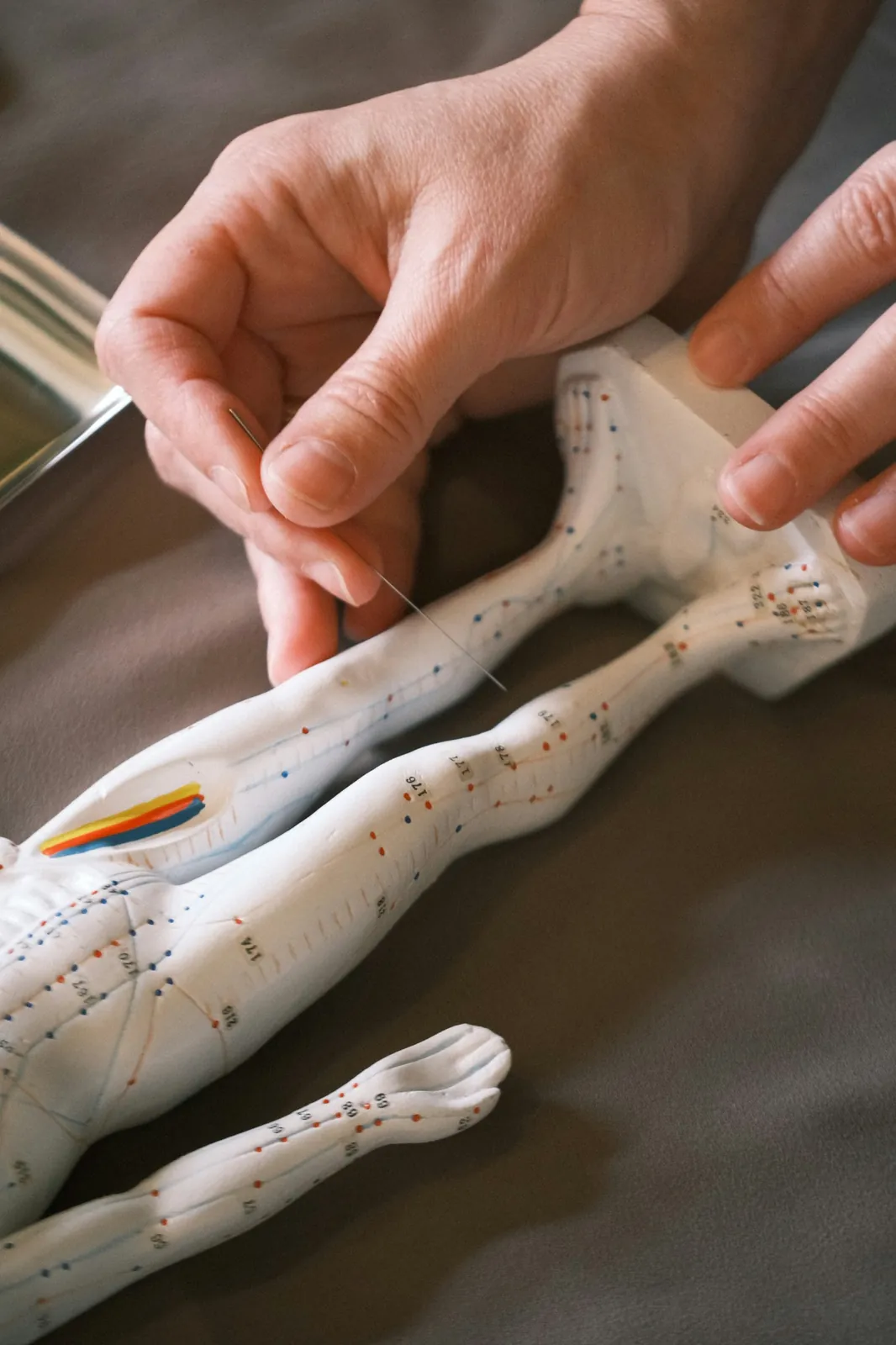
Acupuncture uses very fine needles placed at selected points. It is commonly used as a complementary approach for pain and may also be used for muscle tension or general wellness. A licensed acupuncturist should review medications, health conditions, pregnancy status, bleeding risk, and other safety considerations before treatment.
Why the two approaches may be combined
Some patients prefer one method, while others respond well to a coordinated plan. Chiropractic care may focus on joint movement, function, and mechanical limitations. Acupuncture may be used as a complementary option for pain or muscle tension. Rehabilitation helps translate improvement into daily activity through gradual movement and strengthening.
A typical individualized pathway
- History and examination: understand the collision, symptoms, prior conditions, and functional limits.
- Initial care: choose comfortable techniques appropriate for the early stage.
- Reassessment: track range of motion, pain behavior, sleep, work tolerance, and activity.
- Progressive rehabilitation: add mobility, endurance, and strengthening as appropriate.
- Self-management: provide realistic home guidance and strategies to reduce recurrence.
Questions to ask before treatment
- What findings are you treating?
- What are the goals of this phase of care?
- What alternatives are available?
- What should I do if a technique is uncomfortable?
- How will progress be measured?
- When would referral or imaging be appropriate?
Care should support function, not just a pain score
Pain matters, but recovery also involves sleep, concentration, driving, work duties, exercise, and confidence with movement. At ACE California Health Clinic, the plan is adjusted based on clinical findings and the activities that matter to the patient.
Medical disclaimer: This article provides general information. It does not determine whether chiropractic, acupuncture, or rehabilitation is appropriate for a specific injury. Seek emergency care for urgent symptoms and consult qualified healthcare professionals for individualized advice.
References & further reading
- Association of Spinal Manipulative Therapy With Clinical Benefit and Harm for Acute Low Back Pain: Systematic Review and Meta-analysis — PubMed
- Acupuncture for Chronic Nonspecific Low Back Pain — PubMed
- Noninvasive Treatments for Acute, Subacute, and Chronic Low Back Pain: American College of Physicians Clinical Practice Guideline — PubMed